
Always fast. Always secure. Always on.
App Maintenance & Optimization
Proactive health management for your live product — performance tuning, security patching, dependency upgrades, and SLA-backed incident response so you never miss a beat.
Full-Spectrum Capabilities
Every layer of your product — owned, engineered, and optimised by our team.
Our Delivery Process
Codebase Audit
Full health assessment — Lighthouse scores, dependency vulnerabilities, dead code, bundle size analysis, and infrastructure cost review.
3–5 daysMonitoring Setup
Datadog or New Relic instrumentation, synthetic monitors, uptime checks, custom dashboards, and PagerDuty escalation policies.
3–5 daysHotfix Retainer
Dedicated sprint capacity reserved for urgent production issues — guaranteed response and resolution within agreed SLA windows.
OngoingMonthly Security Scan
CVE dependency audit, OWASP ZAP scan, access control review, and secret detection — with remediation PRs delivered within the same sprint.
MonthlyPerformance Sprints
Quarterly focused optimisation sprints targeting the highest-impact performance improvements based on real user data.
QuarterlyQuarterly Review
60-minute strategic review call covering SLA performance, upcoming risks, roadmap recommendations, and contract renewal discussion.
QuarterlyCase Studies
Real products, real metrics.
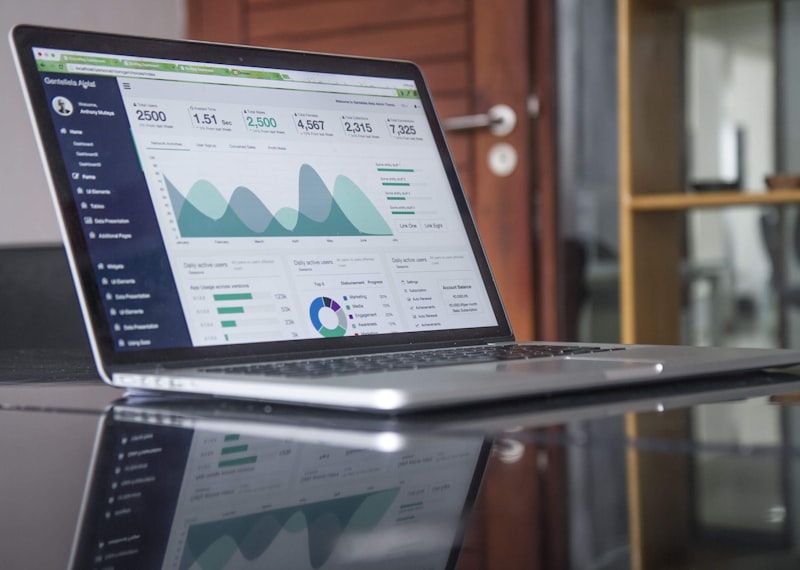 E-Commerce
Lighthouse 100 — From Score 41
Took a legacy e-commerce app from Lighthouse 41 to 100 through image optimisation, critical CSS extraction, code splitting, and edge caching.
 SaaS
SaaSZero Downtime — 24 Months Running
Maintained 99.99% uptime for a mission-critical SaaS platform across 24 months — managing 3 major framework upgrades and 2 infrastructure migrations with zero customer impact.
 FinTech
Security Hardening — SOC 2 Ready
Remediated 8 high-severity CVEs, eliminated 3 secret leaks in git history, and hardened the entire dependency tree — enabling SOC 2 Type II certification.
Technology Stack
Monitoring
Error Tracking
Alerting
Security
Performance
DB Ops
Dependency Mgmt
Uptime
Common Questions
What does a maintenance retainer actually include?+
Typically: dedicated engineering hours (8–40hrs/month depending on tier), 24/7 monitoring, monthly security audit, quarterly performance sprint, dependency upgrades, hotfix coverage within SLA, and a monthly health report.
How quickly can you respond to a production incident?+
Our P1 SLA is < 1 hour acknowledgement with a named engineer on it. P2 (degraded performance) is < 4 hours. P3 (cosmetic/non-blocking) is < 1 business day. All tracked in a transparent SLA dashboard.
Can you maintain a product built by a different agency?+
Yes — this is common. We begin with a 3–5 day codebase audit to understand the architecture, identify risks, and document the system before taking on any changes. We've successfully maintained codebases in React, Vue, Angular, Laravel, Django, and Ruby on Rails.
Do you handle both frontend and backend maintenance?+
Yes. Our retainers cover the full stack — frontend performance, backend API optimisation, database tuning, infrastructure cost management, and CI/CD pipeline health.
What happens if our app goes down at 3am?+
PagerDuty will page our on-call engineer within 1 minute of the alert. They'll acknowledge within 15 minutes, begin diagnosis immediately, and have a status update to your Slack channel within 30 minutes.
Let's keep your app healthy.
Book a free production health check. We'll run a Lighthouse audit, dependency scan, and uptime analysis — then give you a prioritised optimisation roadmap.